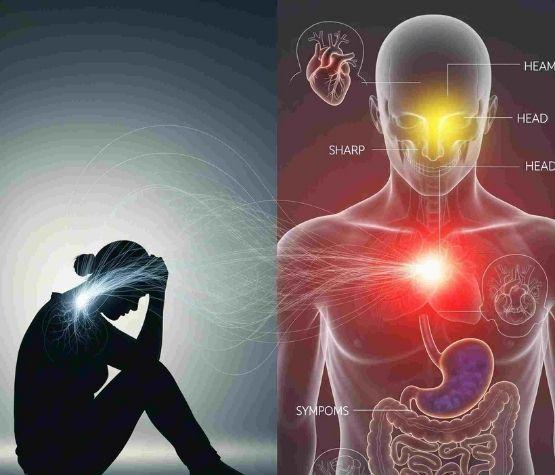
When the Mind Hurts, the Body Speaks: How Mental Pain Becomes Physical
When the Mind Hurts, the Body Speaks: How Mental Pain Becomes Physical
We often think of mental and physical health as two separate worlds. If the body aches, we visit a doctor. If the heart feels heavy, we call it “just stress” and try to push through. But psychology and medicine consistently show us a powerful truth: when the mind suffers, the body often speaks for it.
Emotional pain doesn’t simply vanish when ignored. It has a way of settling into the body — surfacing as headaches, stomach upsets, fatigue, or unexplained tension. This process is not “imaginary” or “all in your head.” It is a real, measurable connection between the brain and the body.
The Mind–Body Connection
The human brain and body are in constant conversation through the nervous system, hormones, and immune responses. When emotions such as unresolved anger linger, they trigger stress responses that affect the whole body.
- Stress hormones like cortisol and adrenaline prepare us for survival but, when chronically elevated, lead to problems like high blood pressure, digestive issues, or weakened immunity.
- Muscle tension often builds when emotions are suppressed, leading to neck stiffness, back pain, or chronic headaches.
- Immune system shifts can make people more vulnerable to frequent colds or slower healing when mental distress is prolonged.
In this way, emotional wounds often leave physical footprints.
How Mental Pain Shows Up in the Body
- Headaches and Migraines – Prolonged worry or suppressed anger can activate stress pathways that constrict blood vessels and heighten pain sensitivity.
- Stomach and Digestive Issues – The gut has its own network of nerves, often called the “second brain.” Stress and anxiety can disrupt digestion, causing nausea, cramps, or irritable bowel symptoms.
- Chronic Fatigue – Emotional exhaustion taxes the body’s energy systems, leaving people tired even after rest.
- Muscle Pain – Tension held in the body, especially shoulders and back, is a common response to unexpressed fear or frustration.
- Lowered Immunity – Persistent grief, loneliness, or trauma can weaken immune defenses, making the body less resilient.
Why the Body Speaks
From an evolutionary perspective, emotions were never meant to be ignored. They are signals designed to grab attention. When the mind’s signals are dismissed — “I shouldn’t feel sad,” “I need to toughen up” — the body takes over as a louder messenger.
Psychologists sometimes describe this as somatization — when psychological distress expresses itself through physical symptoms. It’s the body’s way of saying: something inside needs care.
Healing the Mind to Heal the Body
The good news is that caring for mental health often improves physical well-being. Some evidence-based strategies include:
- Emotional Awareness – Naming and acknowledging feelings reduces the need for the body to “speak” them.
- Therapeutic Support – Psychotherapy, particularly approaches like Cognitive Behavioral Therapy (CBT), helps process emotional pain and reduce physical symptoms.
- Mind–Body Practices – Mindfulness, yoga, and breathwork calm the nervous system and release stored tension.
- Social Connection – Sharing emotions with trusted people lessens both psychological and physiological stress.
When the mind hurts, the body speaks — not to punish us, but to protect us. Every headache, knot of tension, or wave of fatigue is an invitation to pause and listen. Instead of treating mental and physical health as separate, we need to view them as two sides of the same coin.
Taking care of emotions is not a luxury but it’s a necessity for overall health. Because when the mind finds healing, the body often follows.